Copyright © 2022 SpaceMine-Themes. All Rights Reserved.

Eat Clean Feel Good
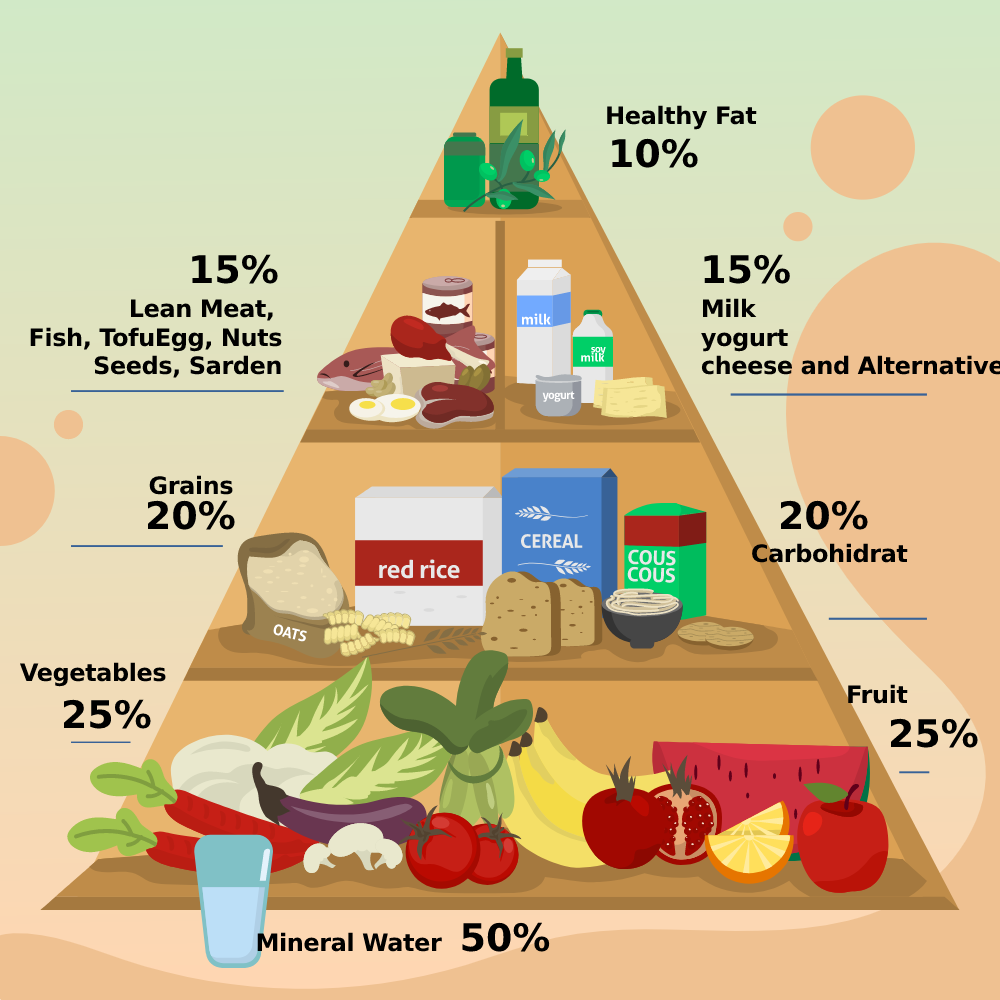
Nutrients improve health.
Some suggest nutrients should come from the foods we eat and others challenge this assumption due to the way foods are now harvested and consumed and champion the cause of nutrition supplementation. Nutrition solely from food, however, is almost impossible now due to food cost and food production. Essentially, what we consume is no longer as pure or rich in nutrients as it could be. It would be great if nutrition could be obtained from the foods we eat, a proper supplementation is cost-effective insurance against declining health. The purpose of a supplement is to “supplement” your overall diet, helping to bridge the gap between your usual dietary intake and nutrient needs.
‘D’ for deficient
Some suggest nutrients should come from the foods we eat and others challenge this assumption due to the way foods are now harvested and consumed and champion the cause of nutrition supplementation.
Nutrition solely from food, however, is almost impossible now due to food cost and food production. Essentially, what we consume is no longer as pure or rich in nutrients as it could be. It would be great if nutrition could be obtained from the foods we eat, a proper supplementation is cost-effective insurance against declining health.
The purpose of a supplement is to “supplement” your overall diet, helping to bridge the gap between your usual dietary intake and nutrient needs.
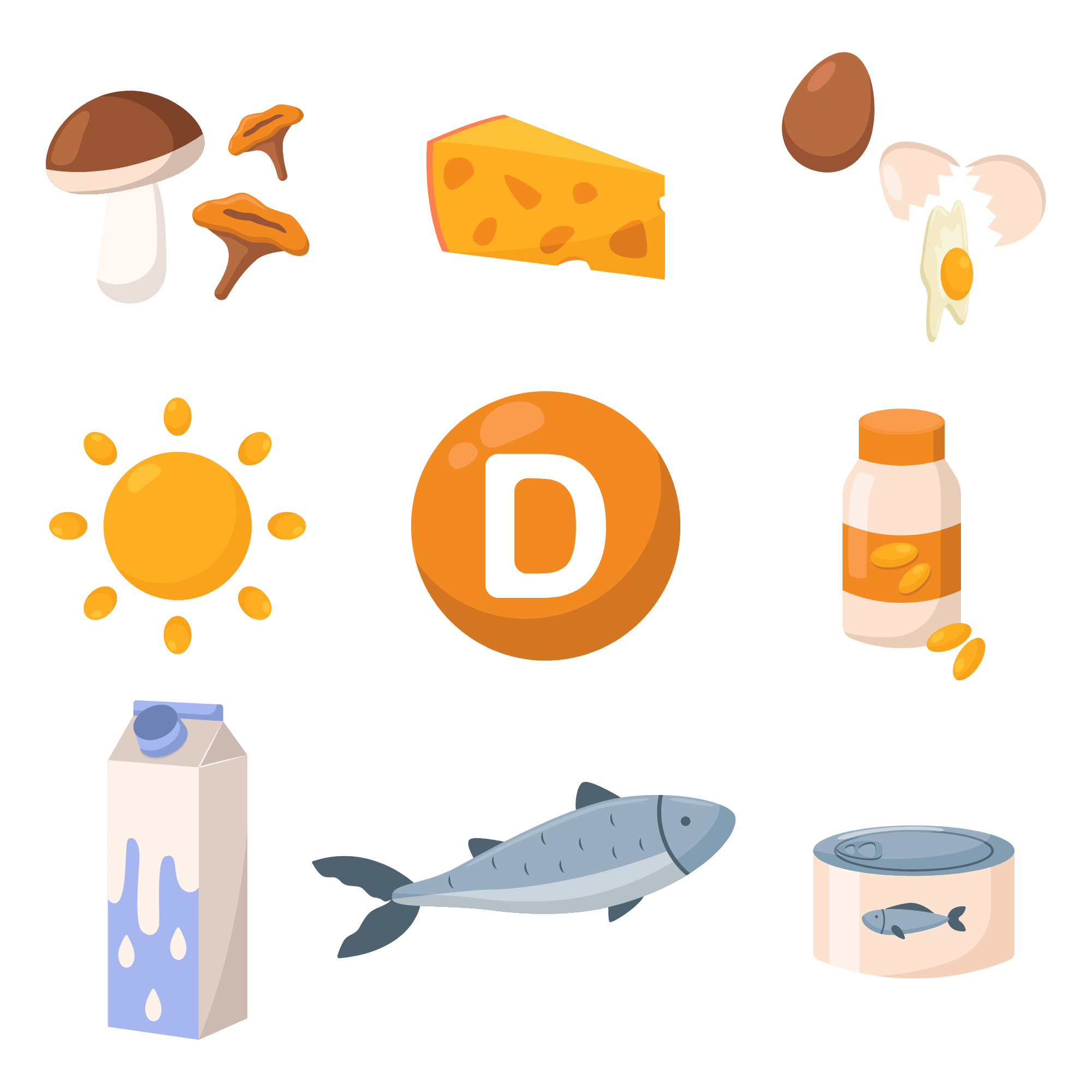
For instance, let’s look at levels of vitamin D and omega-3. Less than 15% of individuals over age 40 have proper levels of omega 3 and vitamin D and less than 35% of younger people have adequate levels of these nutrients.
Without proper levels of omega 3 and vitamin D for a sustained amount of time, the body’s brain function and cardiac health can decline while the number of triglycerides and the presence of chronic inflammation can increase.
We are referring to what the body suffers when two out of the over 40 nutrients are lacking or deficient. A small example of a big problem.
Take the Core 4 Wherever You Go
As a holistic health expert with over years of experience, Better Jvitaa has been and continues to be focused on educating and empowering consumers to live healthier lives through core supplementation. Everyone can benefit from adding in four core supplements.
Overview Patterns of Use Micronutrient Inadequacies Conclusion
A complex multivitamin containing myriad vitamins, and minerals and produced with no preservatives, artificial colors, or toxic ingredients. This is exactly what we are.
At Better Jvitaa, we offer the highest quality products available for multivitamins. As a gatekeeper for nutrition, we search the marketplace for only the highest level of ethics and quality and with certificates of purity and potency. Product quality is important and safety is always top of the mind at Better Jvitaa. In general, a multivitamin supplement(MVM) is a dietary supplement that contains about 100% of the Daily Value(DV) of most vitamins and nutritionally essential minerals. MVM products currently on the market are formulated specifically for young men, young women, older adults, or children since micronutrients (vitamins and nutritionally essential minerals) requirements differ by gender and life stage.
Patterns of Use
The use of nutritional supplements is increasingly common with MVMs being the most popular type of dietary supplement. A recent survey found that one-third of toddlers ages one year and older take an MVM supplement, which was defined as a supplement containing at least three vitamins and one mineral. Add few MVM users are more likely to have healthier diets or rate their health as excellent or very good, suggesting that those who do not take MVMs may be the ones who would benefit the most from supplementation.
Micronutrient Inadequacies
Select micronutrient inadequacies are relatively widespread such as 93% of the world population does not meet the estimated average requirement(EAR) for vitamin E, 56% for magnesium, 44% for vitamin A, 31% for vitamin C, 14% for vitamin B6, and 12% for zinc. It has been estimated that 1 billion people in the world have either vitamin D deficiency or insufficiency.
Many people are exceeding energy (caloric) requirements but not meeting micronutrient recommendations, presumably due to excessive consumption of energy-rich, nutrient-poor foods. It is found that higher intakes of energy-dense and nutrient-poor foods were associated with lower serum concentrations of several micronutrients including vitamin A, folate, vitamin B12, vitamin C, and vitamin E. Micronutrient deficiencies affecting an estimated 2 billion people, contribute to infections and are associated with severe illness and death.
When intakes are lower than the recommended levels, short-term requirements for micronutrients in metabolic reactions take precedence over long-term needs, thereby resulting in long-term cumulative oxidative damage to macromolecules(DNA, RNA, proteins), declines in mitochondrial function, and accelerated cellular aging, increasing the risk of age-related diseases. Given the fact that many people are not meeting micronutrient intake recommendations, a daily multivitamin/mineral supplement would offer insurance that most micronutrient needs are met.
Conclusion
Many people are not getting enough micronutrients from their diet possibly increasing their risk for osteoporosis, some forms of cancer and other chronic diseases. Better Jvitaa recommends a daily MVM supplement as nutritional insurance to meet micronutrient needs. Our Supplements are a simple, inexpensive, and safe way to help fill nutritional gaps and improve micronutrient status. By definition, MVMs are “supplements” and should be used to complement a healthy diet.
Our supplement will make do
Overview Biological Activities Gene Expression Conclusion
Our bodies need omega 3s to fight inflammation caused by an improper ratio of omega 6, the instigator of chronic inflammation, to omega 3. A healthy diet should contain a 2-to-1 ratio of omega 6 to omega 3. Linoleic acid (LA), an omega-6 fatty acid, and α-linolenic acid (ALA), an omega-3 fatty acid, are considered essential fatty acids because they cannot be synthesized by humans. The long-chain omega-3 fatty acids, eicosapentaenoic acid (EPA), and docosahexaenoic acid (DHA) can be synthesized from ALA, but due to low conversion efficiency, it is recommended to consume foods rich in EPA and DHA. Eating fish is a great way to obtain a reliable source of omega 3s. A majority of fish sold today is labeled “farm-raised,” and even though this term sounds like a good thing, it doesn’t mean it’s a superior product. In most cases, farm-raised fish accumulate toxins by existing on a diet of commercial feed while living in crowded waters. The combination isn’t a winning one. Both omega-6 and omega-3 fatty acids are important structural components of cell membranes, serve as precursors to bioactive lipid mediators, and provide a source of energy. Long-chain omega-3 polyunsaturated fatty acids (PUFA) in particular exert anti-inflammatory effects. Replacing saturated fats in the diet with omega-6 lowers total blood cholesterol. Long-chain omega-3 PUFA supplementation may be useful to reduce mortality in patients with prevalent coronary heart disease and in those with heart failure without preserved ventricular function. Increasing EPA and DHA intake may benefit individuals with type 2 diabetes mellitus, especially those with elevated serum triglycerides.
Biological Activities
Membrane structure and function
Omega-6 and omega-3 PUFA are important structural components of cell membranes. When incorporated into phospholipids, they affect cell membrane properties, such as fluidity, flexibility, permeability, and the activity of membrane-bound enzymes and cell-signaling pathways. Dietary consumption of fatty acids can modify the composition and molecular structure of cellular membranes. Increasing omega-3 fatty acid intake increases the omega-3 content of red blood cells, immune cells, atherosclerotic plaques, cardiac tissue, and other cell types throughout the body.
Vision
DHA is found at very high concentrations in the cell membranes of the retina. The retina conserves and recycles DHA even when omega-3 fatty acids intake is low. DHA is required for the normal development and function of the retina and there is a critical period during retinal development when inadequate DHA will result in permanent abnormalities in retinal function. DHA plays an important role in the regeneration of the visual pigment rhodopsin, which plays a critical role in the visual transduction system that converts light hitting the retina to visual images in the brain.
Nervous system
The phospholipids of the brain's gray matter contain high proportions of long-chain PUFA and this suggests that long chain PUFAs are important to central nervous system function. The availability of omega-3 and omega-6 fatty acids to the fetus and infants is essential for the growth of their brain and development of brain functions. PUFAs are essential to neuronal growth, synapse formation, and appropriate neurotransmission.
Synthesis of lipid mediators for immune & inflammatory response.
Oxylipins
Oxylipins are potent chemical messengers derived from PUFA. They play critical roles in immune and inflammatory responses.
pro-resolving mediators
A separate class of PUFA-derived bioactive lipids, specialized pro-resolving mediators (SPMs) has been more recently identified. These molecules function as local mediators of the resolution phase of inflammation. SPMs are derived from both omega-6 and omega-3 PUFA. SPMs explain many of the anti-inflammatory actions of omega-3 fatty acids.
Isoprostanes
Isoprostanes are prostaglandin-like compounds that are formed by the non-enzymatic, free radical-induced oxidation of any PUFA. Because they are produced upon exposure to free radicals, isoprostanes are often used as markers for oxidative stress. In addition to being used as markers of oxidative stress, isoprostanes also function as inflammatory mediators, exerting both pro- and anti-inflammatory effects.
Gene Expression
What is gene expression?
Gene expression is the process by which the instructions in our DNA are converted into a functional product, such as a protein. The expression of genes in an organism can be influenced by the environment, including the external world in which the organism is located or develops, as well as the organism's internal world, which includes such factors as its hormones and metabolism. Gene expression is a tightly regulated process that allows a cell to respond to its changing environment. It acts as both an on & off switch to control when proteins are made and also a volume control that increases or decreases the number of proteins made.
Why is Gene Expression Important?
Gene expression is important because a specific protein can be produced only when its gene is turned on. But it takes more than one step to get from gene to protein, and the process of building proteins is a key step in the gene expression pathway that can be altered in cancer. Genes encode proteins and proteins dictate cell function. Therefore, the thousands of genes expressed in a particular cell determine what that cell can do.
Why is it important to regulate gene expression?
Gene regulation is an important part of normal development. Genes are turned on and off in different patterns during development to make a brain cell look and act differently from a liver cell or a muscle cell. Gene regulation allows cells to react quickly to changes in their environments.
What happens if a cell loses control of gene expression?
Disruption of normal regulation of the cell cycle can lead to diseases such as cancer. When the cell cycle proceeds without control, cells can divide without order and accumulate genetic errors that can lead to a cancerous tumor.
Conclusion
To live, cells must be able to respond to changes in their environment. Regulation of the two main steps of protein production namely transcription and translation is critical to this adaptability. Cells can control which genes get transcribed and which transcripts get translated. They can further, biochemically process transcripts and proteins in order to affect their activity. Omega 3 aids in gene expression which is very vital for mitochondrial functions.
Our supplement will make do
Overview Benefits of Choosing a Probiotic Conclusion
The microbiome is the landscape within the gut lining that is responsible for both significant parts of the immune system and brain chemistry. This is why it is vital that we continue to introduce healthy productive probiotics to the trillions of cells that line our gut. Probiotics are live microorganisms that provide health benefits when consumed, generally by improving or restoring the gut flora. The first discovered probiotic was a certain strain of bacillus in Bulgarian yoghurt, called Lactobacillus bulgaricus. The discovery was made in 1905 by Bulgarian physician and microbiologist Stamen Grigorov.
Benefits
In every healthy digestive system, there is a balance. Probiotics help to achieve that balance. There are many reasons a digestive system becomes unbalanced. These include illness, taking antibiotics, a poor diet, or an overgrowth of bad bacteria. Gastrointestinal problems can result from such an imbalance.
Probiotic is good to consume daily
A common question about probiotics is whether it is ok to take probiotic supplements daily. Whilst there may be a few exceptions to this rule, the general answer is yes, it's safe, and usually recommended, to take them daily. It's important to understand that probiotics are natural supplements, not medicine.
Improves systems of irritable bowel syndrome.
Gut flora imbalances may contribute to the symptoms of IBS. Probiotics help restore balance in a number of ways, including inhibiting the growth of harmful bacteria, reducing inflammation, and slowing down the digestive system.
Probiotics can boost the immune system.
Most importantly, modulation of the immune system is one of the most plausible mechanisms underlying the beneficial effects of probiotics on human health. Probiotics have been found to enhance innate immunity and modulate pathogen-induced inflammation via toll-like receptor-regulated signaling pathways.
Probiotics can reduce inflammation and allergies.
The beneficial effects of probiotics on allergies include a reduction in hyperreactivity and inflammation due to the presence of allergens, a decrease in interleukins and eosinophils.
Probiotics help to clean your colon
Probiotics are essential for your colon health. They are used to treat, cure, or prevent digestive problems by feeding your microbiome and thereby cleansing your colon and keeping your body in balance. As such, they are an important part of the detoxification process.
Probiotics can detox your body
By taking probiotics, it is increasing the number of good bacteria which can detoxify your system and help you absorb nutrients more efficiently. If you have been taking too many antibiotics, the probiotics can balance the negative effects of that as well.
Probiotics speed up your metabolism
One effortless way to increase your metabolism is to add a probiotic supplement to your daily routine. By helping balance the bacterial populations of your gut microbiome, a probiotic supplement can effectively change the way your body processes foods and thus your metabolic rate.
Choosing a Probiotic
Though there are many benefits of adding probiotics to your diet, there are many different kinds. Each has its own unique benefits just as your body has its unique needs. There’s no one-size-fits-all recommendation. Before you begin taking probiotics, you’ll need to find the correct strain for your needs. A commonly used bacteria in probiotics is lactobacillus, but there are more than 120 different types of lactobacillus. Many are used as probiotics. There are other types of bacteria with different species. When deciding on a probiotic, research the digestive issue you want to address. Select a probiotic based on that condition. After you purchase probiotics, make sure to store them correctly, refrigerating them if needed. Always check the expiration dates of your probiotics. Try foods and supplements to figure out which one meets your needs. Both are great ways to get probiotics, but supplements generally have a higher concentration. Always, but especially while adding probiotics to your diet, eat a healthy diet rich in nutrients and high in fiber. Include many fruits, vegetables, and whole grains. Probiotics need fiber to grow and keep your gut healthy and balanced.
Overview Benefits Conclusion
Some people enjoy eating and drinking their vegetables but just don’t consume enough of them regularly; others don’t enjoy the texture and taste of most vegetables and opt out altogether. Those who make do with too few to no vegetables miss out on essential vitamins and minerals.
Greens offset acid conditions by being alkaline. They also supply much-needed antioxidants and phytochemicals, allowing the body to detox.
Benefits
Kale is rich in minerals, antioxidants, and vitamins, particularly vitamins A, C and K. It’s best eaten raw, as cooking reduces the nutritional profile of the vegetable.
Microgreens are immature greens. They’re flavourful and packed with nutrients like vitamins C, E, and K.
Collard greens have thick leaves and are bitter in taste. They’re one of the best sources of vitamin K and they reduce blood clots and promote healthy bones.
Spinach is a leafy green vegetable. It’s a great source of folate and prevents neural tube defects such as spina bifida during pregnancy.
Cabbage has thick leaves and comes in various colors. It has cancer-protective properties and can be turned into sauerkraut, which offers additional health benefits.
Beet greens are edible green leaves found on the tip of beets. They’re full of nutrients including antioxidants that support eye health.
Arugula is a leafy green vegetable that goes by several different names, including rocket and rucola. It’s rich in vitamins and naturally occurring nitrates that help reduce blood pressure and improve blood flow.
Endive is a lesser-known leafy green vegetable that is curly and crisp in texture. It contains several nutrients, including the antioxidant kaempferol which may reduce cancer cell growth.
Bok choy is popular in China and often used in soups and stir-fries. It contains the mineral selenium which benefits your brain health, immunity, cancer protection, and thyroid health.
Turnip greens are the leaves of the turnip plant and are considered cruciferous vegetables. They decrease stress in your body and reduce your risk of heart disease, cancer, and inflammation.
Benefits
Investing in good nutrition is similar to investing in a solid retirement fund. You want to start investing early and often in your body as you would in your retirement account. Every contribution you make matters and compounds interest. While you cannot make up for lost time and missed opportunities when it comes to nutrition or savings, the wisest thing you can do is act now with the information you have.